
India’s Food Delivery Sector Surges, Nearly Doubles in Two Years, NCAER-Prosus Study Finds

India’s food delivery sector has experienced rapid expansion over the past two years, emerging as a significant engine of economic growth and employment, according to two new studies jointly conducted by the National Council of Applied Economic Research (NCAER) and global technology investor Prosus. The comprehensive research, titled Impact of Food Delivery Platform on the Indian Economy: GDP, Employment and Taxes and Impact of Food Delivery Platforms on Restaurants, analysed input–output data from 640 restaurants across 28 cities, spanning Tier-1, Tier-2 and Tier-3 markets. The findings complete a three-year research programme examining the structural role of food delivery platforms in India’s economy. Key Economic Growth Metrics The studies show that India’s food delivery platform sector generated ₹1.2 trillion in gross output during the fiscal year 2023–24, nearly doubling in size compared with the 2021–22 period. This growth rate outpaced overall national economic expansion, highlighting the sector’s rising contribution to GDP. Direct employment within the sector increased to approximately 1.37 million workers in 2023–24, up from about 1.08 million in 2021–22. The research also revealed strong employment multipliers: each job linked to food delivery platforms supports roughly 2.7 additional jobs across the broader economy. Impact on Restaurants and Market Access Beyond macroeconomic indicators, the studies highlighted tangible benefits for restaurants participating in digital delivery ecosystems. Around 59 percent of restaurant owners reported expanded access to new customers, while roughly half said they had introduced new menu items and witnessed increased customer volumes through platform engagement. The share of revenue derived from food delivery platforms rose from 22 percent in 2019 to 29 percent by 2023, underscoring growing reliance on digital channels for business growth. Policy Implications and Sector Outlook Experts involved in the research noted that the rapid expansion of food delivery platforms offers insights for policymakers considering digital economy metrics and labour frameworks. The studies point to opportunities for targeted incentives to help small restaurants adopt digital tools and amplify market reach, particularly in smaller cities. They also emphasise the need for regulatory frameworks that balance innovation with protections for workers and small businesses. As India’s digital infrastructure continues to evolve, the food delivery sector’s growth trajectory underscores its increasing influence on jobs, consumption patterns and economic activity nationwide. Source: fnbnews
Uttarakhand court levies fine on Patanjali Ghee for failing quality tests
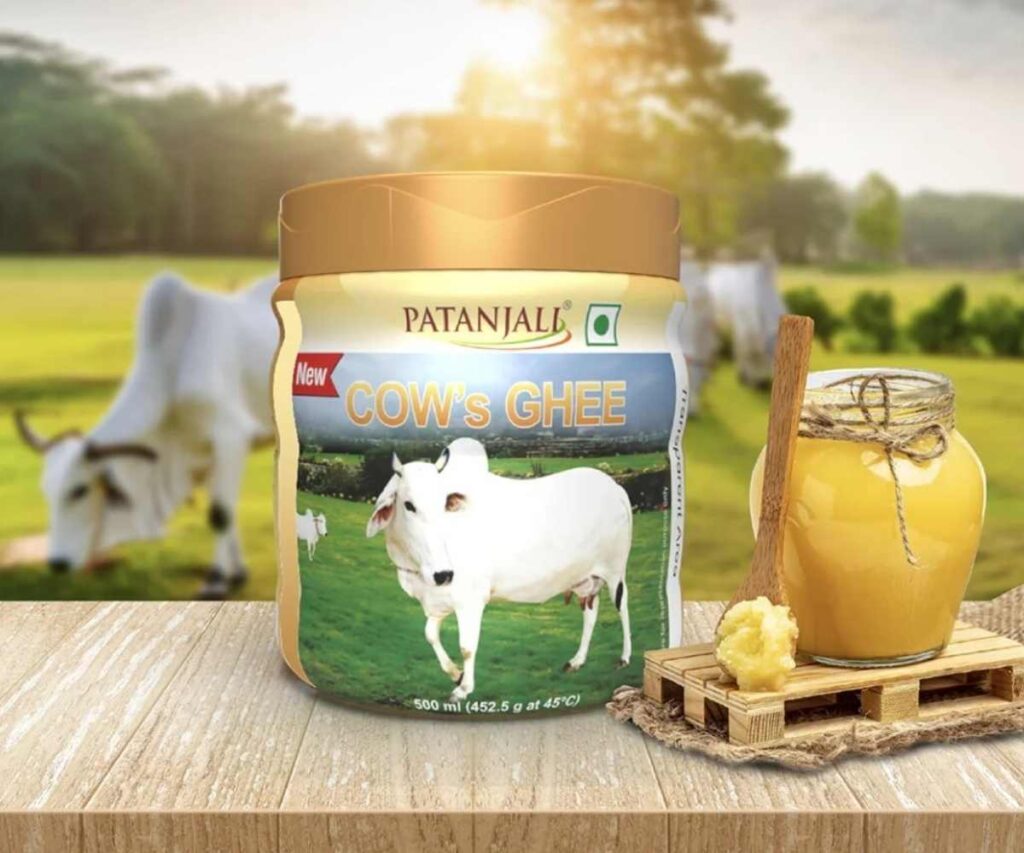
A local court in Uttarakhand has imposed a fine of Rs 1.40 lakh on Patanjali Ghee and associated parties after a product sample failed to meet prescribed quality standards. The case stems from an inspection carried out in October 2020, when food safety officials collected a sample from a store in Kasni in Pithoragarh district. The sample underwent testing at the Rudrapur food laboratory before being forwarded in 2021 to the FSSAI facility in Ghaziabad for further analysis. Both laboratories reported that the product did not satisfy required quality parameters, prompting authorities to initiate legal proceedings. After reviewing the evidence, the court ordered the penalty against Patanjali. In response, Patanjali Ayurved has issued a statement challenging the basis of the ruling. The company contends that the referral laboratory lacked NABL accreditation for testing cow ghee, making the findings inadmissible. It argues that the parameters applied during testing were not in force at the time and that the retest occurred after the sample’s expiry date, which the firm says renders the results invalid under existing rules. Patanjali added that it is preparing to appeal the order before the Food Safety Tribunal, noting that the decision does not describe its cow ghee as unsafe for consumers.
Wheat Sowing Surges 19%: Strong Rabi Season Boosts Food Ingredient Outlook

India’s 2025-26 rabi season is off to a robust start, with wheat sowing surging by 19% year-on-year and total rabi acreage expanding by 12%. This momentum signals renewed optimism among the country’s food ingredient and processing sectors, which rely heavily on stable grain supplies. Driving Factors for GrowthFavorable weather patterns, including timely post-monsoon rainfall and improved soil moisture, have enabled farmers especially in the major production states of Punjab, Haryana, Uttar Pradesh, Madhya Pradesh, and Rajasthan to expand wheat cultivation. The 19% increase alleviates prior concerns over market volatility and erratic production, providing hope for industry stability and price moderation in 2026. Wider Gains in Food CropsBeyond wheat, acreage for other key rabi crops including chana (chickpea), mustard, barley, and masoor (lentil) has also risen. Mustard planting advanced notably in Rajasthan and Madhya Pradesh, driven by last season’s favorable prices, while increased rainfall aided chana sowing in Maharashtra and Karnataka. Industry Impact and Supply Chain OutlookA 12% overall increase in rabi sowing underscores improving farmer confidence, supported by sound seed supply, expanded irrigation, and government incentives like MSP (Minimum Support Price) and input subsidies. Analysts expect these gains to translate into positive signals for the flour milling, edible oil (mustard), protein ingredients, and packaged foods sectors. Risks and Watch PointsExperts caution that final crop yields will depend on continued stable weather, particularly avoiding severe cold snaps or late-season rains through January and February. If favorable trends persist, India’s food ingredient industries could benefit from improved supply stability, healthier national inventories, and moderated price pressures in the coming year strengthening the backbone of the country’s food and beverage ecosystem.
Aroma Chemicals Market Set for Robust Growth Driven by Food & Beverage and Cosmetics Demand
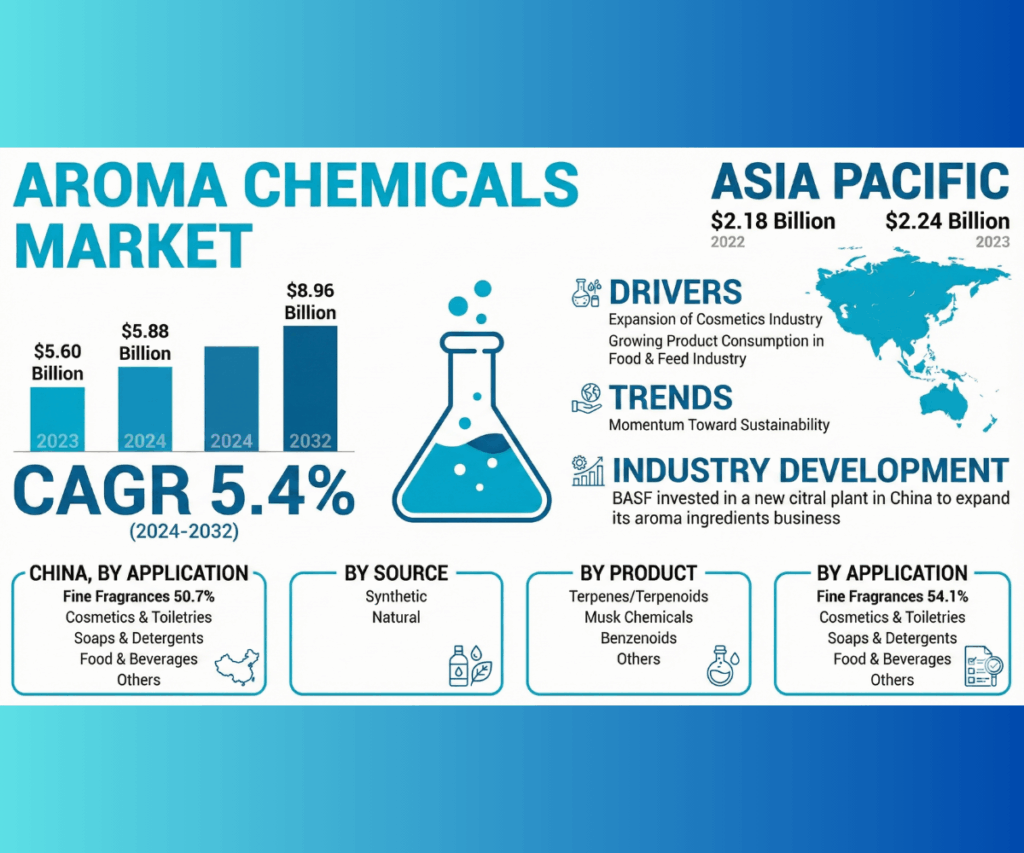
The global aroma chemicals market is forecast to rise from USD 5.88 billion in 2024 to USD 8.96 billion by 2032, registering a healthy CAGR of 5.4%. The market is being shaped by high demand from the food and beverage, fine fragrance, and cosmetics sectors, with Asia Pacific holding a dominant 40% share as of 2023. Key Growth Drivers: Market Segmentation Highlights: Key Regional Insights: Industry Dynamics: OutlookWith rising demand for personalized, clean-label, and sustainable products, the aroma chemicals market is set for significant value creation. Both established and emerging players in the aroma sector are expected to benefit from opportunities abounding in product development, responsible manufacturing, and regional market expansion.
Nearly Half of Kanpur’s Food Samples Fail Safety Tests, FSDA Raises Concern
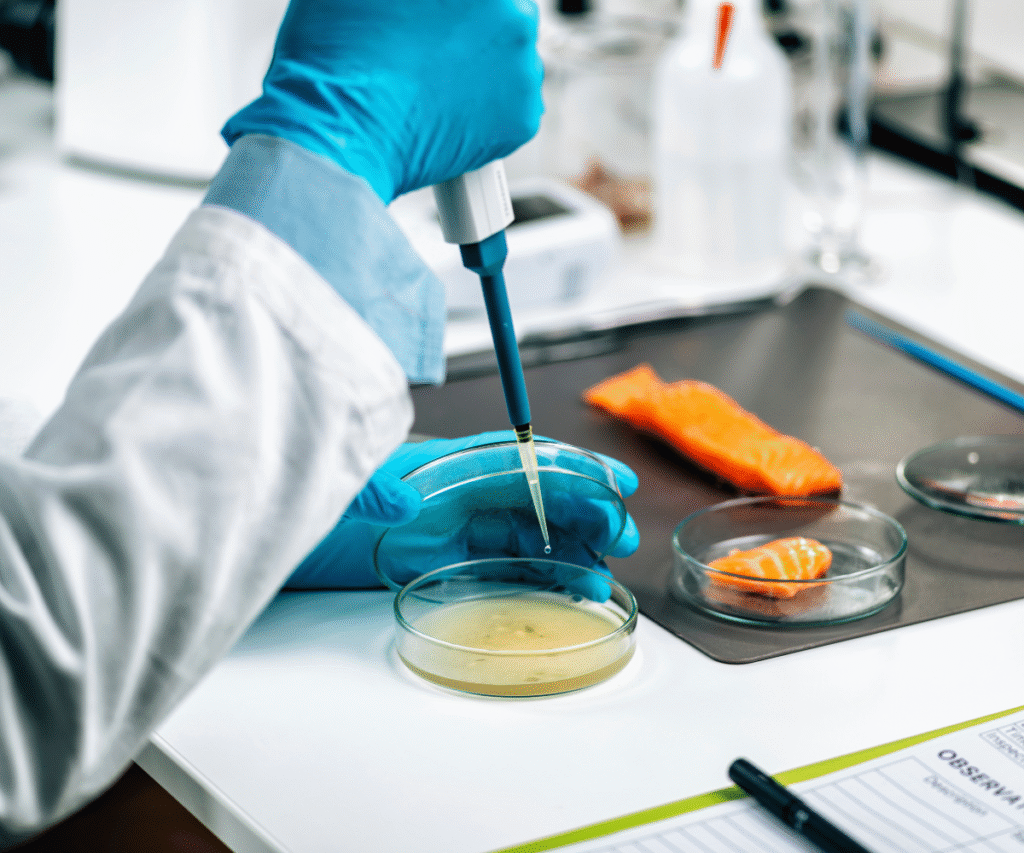
A startling report by Uttar Pradesh’s Food Safety and Drug Administration (FSDA) has revealed that almost 50% of food items tested in Kanpur are unfit for consumption. Out of 1,324 samples collected from restaurants, local shops, and production units, a large proportion was found contaminated with banned colouring agents, artificial ripening chemicals like carbide, and flavour enhancers such as ajinomoto (monosodium glutamate). These substances pose significant threats to public health. Officials have expressed serious concern over the widespread adulteration detected in everyday essentials including milk, edible oils, and popular street food. The rampant use of toxic and non-permitted additives to improve taste, colour, or shelf life has exposed severe lapses in food quality control across the city. The FSDA has stated that strict legal measures will be taken against those violating safety norms under the Food Safety and Standards Act, 2006. Some samples have been sent for further examination, and several cases are already in process. Authorities have urged residents to remain vigilant, particularly when buying food from roadside vendors, and to report any suspected adulteration to the concerned departments. This revelation underscores the urgent need for continuous monitoring, tougher enforcement, and greater public awareness to ensure that the food reaching consumers is genuinely safe and hygienic.
Karnataka Bans Plastic Bottles, Endorses Nandini Products for All Government Functions

In a move promoting both sustainability and local enterprise, Karnataka Chief Minister Siddaramaiah has announced a ban on the use of plastic water bottles across all state government offices, departments, and official programmes. The directive, issued on October 28, instructs every government wing to switch immediately to eco-friendly alternatives such as steel or glass bottles and refill systems. At the same time, the Chief Minister has made it mandatory for all government meetings and events — from the state secretariat to district-level functions – to exclusively use Nandini products, produced by the Karnataka Milk Federation (KMF). This measure is designed to strengthen the state’s cooperative dairy sector and highlight the value of local products in official settings. To make the directive clearer, key elements include: Environmental advocates have welcomed the step, calling it a significant move toward a low-waste, circular economy. The policy also serves as a strategic boost for local farmers and producers, aligning state governance with eco-friendly and community-driven practices. By linking environmental action with regional economic support, Karnataka positions itself as a leader in sustainable governance — setting an example other states may soon follow.
Shocking Violations Uncovered at Sonipat Dairy: Oils Used to Boost Milk Fat
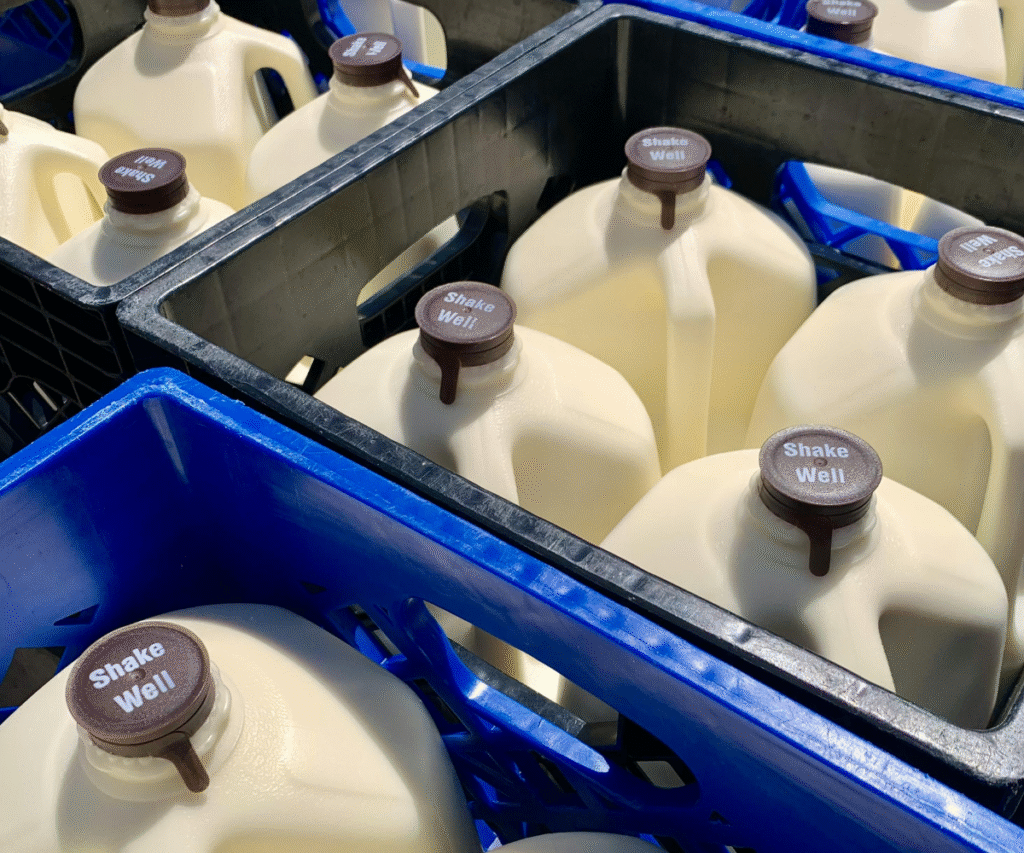
In a major inspection drive, the Haryana Food Safety Department uncovered serious violations at a dairy facility in Gannaur, Sonipat. A joint team comprising Sonipat district food safety officials and the Chief Minister’s flying squad carried out the raid, during which they reportedly found refined oil and vegetable fats allegedly being mixed into milk to artificially raise its fat levels. Samples of paneer, mawa, and white butter were collected and sent to a laboratory for detailed testing. Authorities revealed that the plant operator was unable to produce a valid FSSAI licence. A formal notice was issued, giving the owner three days to present the required documentation. During the inspection, several food products deemed unfit for human consumption were destroyed on-site by the officials.