
Cooking Under Pressure: LPG Shortage Drives 15% Surge in Ready-to-Eat Meal Sales
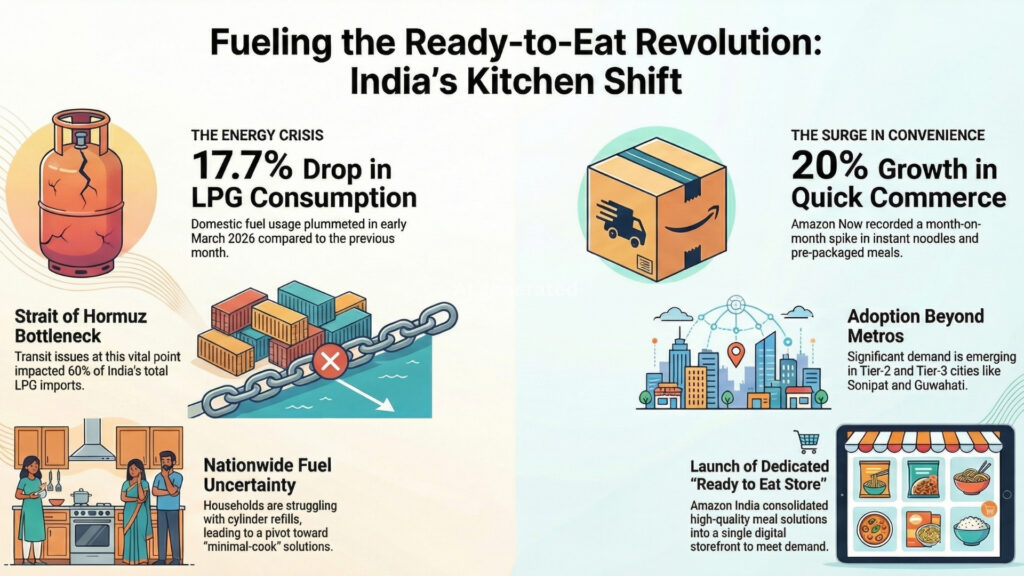
The traditional Indian kitchen is undergoing a rapid, supply-driven transformation. As a persistent LPG shortage continues to disrupt households across the country, consumers are swapping their pressure cookers for “minimal-cook” solutions.New data from Amazon India reveals a significant spike in the Ready-to-Eat (RTE) category, with sales growing by over 15% in recent weeks. The Logistics of the Crunch The shift isn’t just about a preference for convenience—it’s a necessity born from global supply chain disruptions.• The Cause: Ongoing transit issues in the Strait of Hormuz have bottlenecked nearly 60% of India’s LPG imports.• The Impact: India’s LPG consumption plummeted by 17.7% in the first half of March compared to February.• The Result: With cylinder refills becoming harder to secure, families are turning to instant alternatives to keep the lights on—and the plates full. Quick Commerce Steals the Show While the trend is visible across the board, it is most aggressive on Amazon Now, the platform’s quick commerce vertical. The service has recorded a 20% month-on-month increase in the sale of instant noodles, pre-packaged meals, and snacks.Interestingly, this isn’t just a “big city” phenomenon. While Delhi-NCR, Mumbai, and Bengaluru remain top markets, Amazon reports high traction in Tier-2 and Tier-3 cities like Guwahati, Panaji, and Sonipat. A Balanced Shift in Habits According to Amazon India, shoppers are currently playing a “balancing act.” While they continue to stock up on long-term staples like oils and grains, the reliance on instant meal solutions has become a vital bridge during this period of fuel uncertainty.To meet this demand, the e-commerce giant has even launched a dedicated “Ready to Eat Store” to help consumers find high-quality, pre-packaged options more easily. What’s Next? The central government is currently working to prioritize LPG supplies for domestic kitchens and accelerating the rollout of piped gas networks. However, until the supply chain stabilizes, the “instant meal” has officially moved from a luxury convenience to a household essential. Source: Fnb News
PepsiCo’s New Strategy: Science-Backed Snacking and Functional Flavors
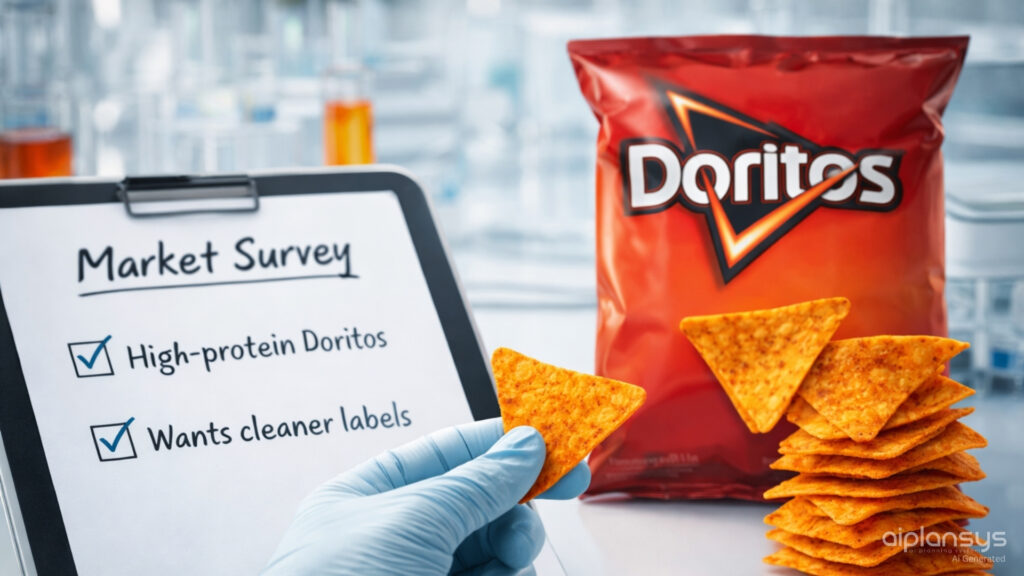
The snack aisle is getting a high-tech, high-protein makeover. At the recent ExpoWest conference, PepsiCo leaders pulled back the curtain on how the food giant is navigating the tricky balance between “better-for-you” ingredients and the classic taste consumers crave. From high-protein Doritos to dye-free Cheetos, here is how PepsiCo is leveraging science and strategic acquisitions to redefine modern snacking. The “Say-Do” Gap What Consumers Want vs. What They BuyOne of the biggest hurdles in food innovation is the “say-do gap.” According to Jenny Gusba, PepsiCo’s VP of R&D for global beverage strategy, shoppers often say they want cleaner labels but still gravitate toward familiar experiences. A prime example is Gatorade. While consumers express interest in removing artificial dyes, they often identify their favorite flavors by color. PepsiCo’s challenge is ensuring that a reformulated “red” drink still looks and feels like the “red” a consumer expects, even when the ingredients change. The Rise of Functional Snacking “Not all proteins are created equal,” noted Bryan Santee, PepsiCo’s Chief Commercial Officer. As protein moves from supplement shakes into everyday chips and sodas, PepsiCo is doubling down on three core pillars:Functionality: Adding benefits like fiber and protein to standard snacks.Simple Ingredients: Moving toward “cleaner” labels to satisfy skeptical shoppers.Nutrient Density: Improving the macro-profile of products without losing the brand’s soul. “What’s going to differentiate in the future is backed by science and credibility with that consumer.” — Bryan Santee Scaling Success Through Strategic M&A Beyond internal R&D, PepsiCo is using acquisitions to buy into “cult” brands that already have authentic health stories. Two recent power moves include:Poppi: The prebiotic soda brand that PepsiCo plans to scale through its massive distribution network.Siete: The tortilla chip maker known for grain-free, heritage-inspired ingredients.By bringing these brands into the fold, PepsiCo can offer premium functional benefits while maintaining the affordability and taste that define its core portfolio. Key Takeaways for the Food Industry Taste is King: No matter how much protein is added, if the texture or flavor profile changes too much, consumers won’t return.Price Matters: To reignite sales, PepsiCo has recently slashed snack prices by up to 15% to stay competitive.Science-First: The future of “clean label” products relies on R&D finding natural ways to replicate the sensory experience of traditional snacks. Source: FoodDive
FSSAI rolls out dynamic risk-based inspection model for food businesses
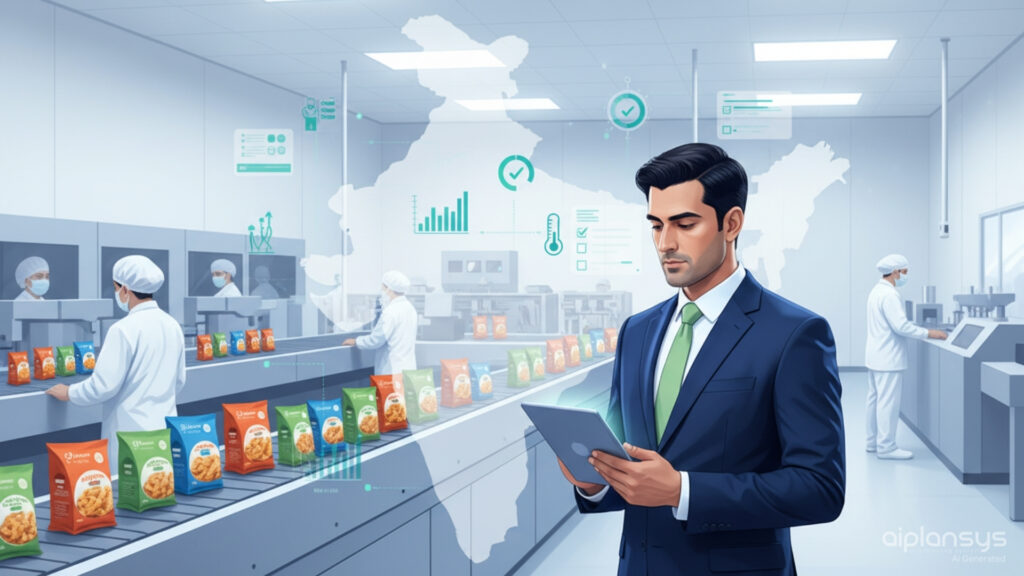
New framework at a glance: The Food Safety and Standards Authority of India (FSSAI) has unveiled a reformed, dynamic risk-based inspection and audit framework aimed at tightening oversight of food businesses through a more data-driven approach. Introduced under Sub-Regulation 2.1.17 of the Food Safety and Standards (Licensing and Registration of Food Businesses) Amendment Regulations, 2026, the model links inspection frequency and depth to each operator’s risk profile and compliance history. Data-driven, risk-based inspections: Under the new framework, FSSAI will run periodic inspections and food safety audits based on parameters such as type of food business, past compliance record, outcomes of third-party audits and the risk category of food handled. The notification specifies that both the frequency and nature of inspections will be determined through this dynamic risk-based mechanism, moving away from a one-size-fits-all schedule. Mandatory third‑party audits at FBO cost: The regulations empower the Food Authority to direct Food Business Operators (FBOs) to undergo audits by recognised private agencies, with the full financial responsibility resting on the businesses. As per the notification, whenever ordered by the Commissioner of Food Safety or FSSAI, FBOs must facilitate a food safety audit by third-party agencies or auditors approved by FSSAI, granting them access and providing all requested records. Decentralised planning and local oversight: Planning of inspections is being decentralised, with each state or UT Commissioner of Food Safety tasked with drawing up inspection plans anchored in local risk profiles. Jurisdictional food safety officers, or officers specially authorised by the Commissioner, will carry out inspections of registered or licensed food businesses periodically or as otherwise scheduled under the regulations. Source: FnB News
Sikkim holds orientation on food processing to boost SHG micro enterprises under PMFME scheme
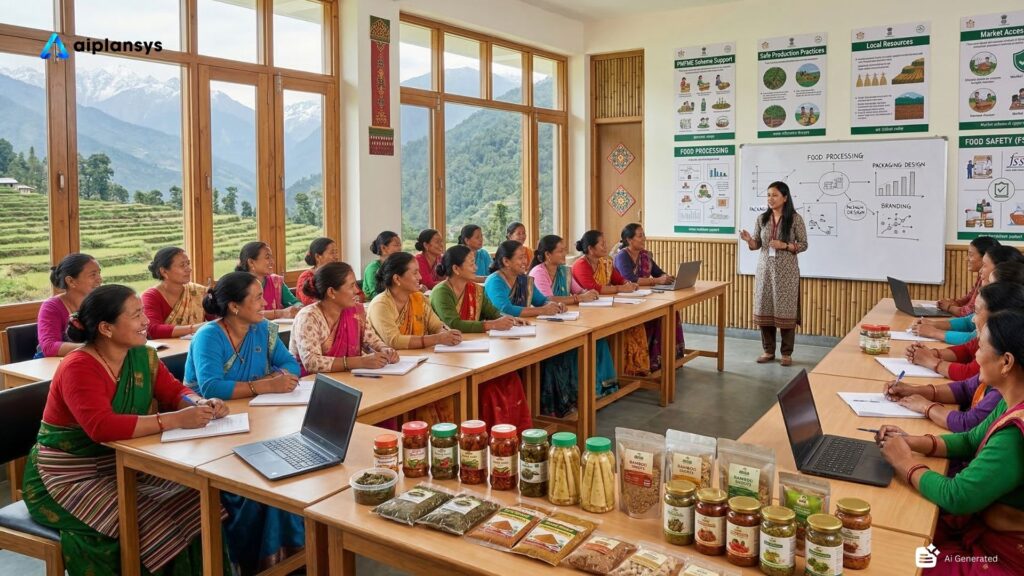
The Department of Food Processing Industries, Government of Sikkim, has conducted a one-day orientation training programme on food processing for Self-Help Group (SHG) beneficiaries under the Pradhan Mantri Formalisation of Micro Food Processing Enterprises (PMFME) scheme. The session was organised in collaboration with Positron Computer Education Institute at its Tadong, Gangtok campus and drew participants from both Gangtok and Mangan districts. Focus on entrepreneurship and value addition: The training aimed to equip SHG members with practical knowledge to set up and scale micro food processing enterprises, with a focus on strengthening grassroots initiatives and promoting entrepreneurship in rural areas. Officials emphasised that the PMFME scheme, supported by the Ministry of Food Processing Industries, is a key driver for value addition and formalisation of micro food units nationwide, offering financial assistance, technical guidance and capacity-building support. Training content and compliance: Experts at the programme covered core aspects of food processing, including business planning, packaging, branding and adherence to food safety regulations. Participants were also exposed to modern processing techniques and market-linkage strategies designed to help locally produced food products reach wider markets. Leveraging local produce and rural development: The initiative highlighted the potential of Sikkim’s rich agricultural base, encouraging the processing of local produce such as ginger, vegetables and spices to increase farmers’ incomes and generate employment. By promoting value addition at the local level, the programme aims to support sustainable rural development and create a more resilient food processing ecosystem in the state. Building a stronger micro-enterprise ecosystem: Officials noted that such capacity-building initiatives are essential to empower SHG beneficiaries with technical skills and business know-how, thereby boosting micro-enterprise development in Sikkim. The government expects that continuous training and handholding under the PMFME scheme will help build a competitive micro food processing sector and strengthen rural livelihoods. Source: FnB News
Cooking Oil Prices Edge Higher in Indian Wholesale Markets Amid Global Upswing
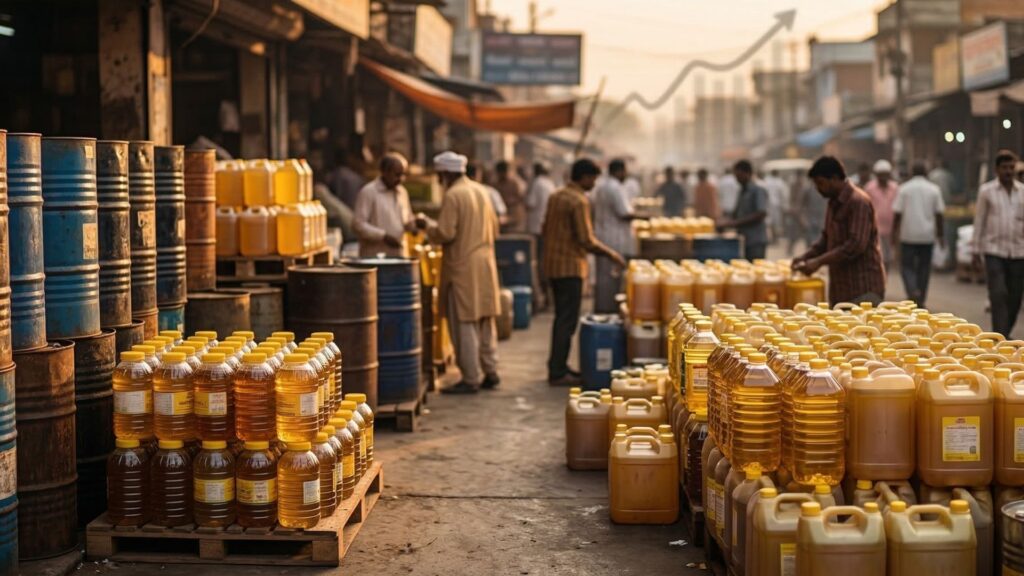
India’s wholesale markets are witnessing a fresh uptick in cooking oil prices, with key edible oils rising by up to 5% in recent days, in line with a global rally in vegetable oil and crude oil markets. Industry sources indicate that higher international prices for soybean and palm oil, coupled with costlier crude, are feeding directly into landed costs and wholesale quotations across major mandis. Global Markets Driving the RallyTraders report that domestic prices have closely tracked gains in soybean oil futures on the Chicago Board of Trade and palm oil contracts on exchanges in Malaysia and Indonesia. The strength in these benchmarks reflects tighter supplies and higher production and logistics costs globally, amplified by the recent rise in crude oil prices.The linkage with crude is particularly important for the vegetable oil complex, as higher fuel prices lift transportation, shipping and overall supply chain expenses. As these costs are passed through, import-dependent markets like India see a quick reset in their wholesale price levels. Impact on Indian Wholesale Edible Oil PricesIn India, the upward movement is most visible in core edible oils such as palm oil and soybean oil, which together account for a large share of the country’s consumption basket. With India importing a significant portion of its edible oil requirement, CIF values have firmed in line with global benchmarks, pushing wholesale prices higher.Industry experts note that the increase in crude-driven freight and handling costs is adding another layer of pressure on landed prices. This is translating into broader firmness across wholesale hubs, with traders and refiners recalibrating their offers to reflect higher replacement costs. Implications for Food Processors and RetailMarket participants caution that if global edible oil prices remain elevated, domestic price volatility may persist in the coming weeks. Rising input costs are a concern for food processing companies that depend heavily on vegetable oils for snacks, packaged foods and other value-added products, potentially squeezing margins or triggering price revisions.The current wholesale uptick also raises the likelihood of a gradual pass-through to retail shelves, especially if international markets do not soften in the near term. Industry stakeholders say that the trajectory of palm and soybean oil prices, along with crude oil trends, will be key variables to watch for both manufacturers and consumers. India’s Exposure to Global Edible Oil CyclesIndia remains one of the world’s largest importers of edible oils, relying on overseas suppliers to meet a substantial share of domestic demand. This structural dependence means that any sharp movement in global commodity markets—whether driven by weather, policy, or energy prices—tends to have a direct and relatively swift impact on local cooking oil prices.For stakeholders across the value chain—from refiners and traders to food brands and end consumers—the current rally underscores the importance of active risk management, diversified sourcing, and close monitoring of international price signals. Source: FnB News
FSSAI Gives Sausage Makers Three-Month Breather to Meet New Safety Norms
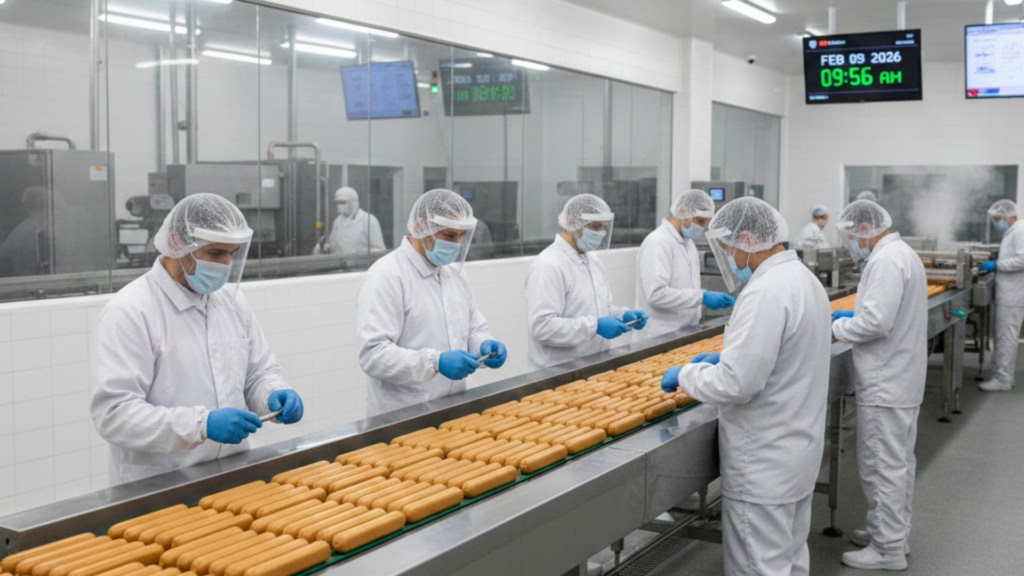
In a significant relief for India’s meat processing industry, the Food Safety and Standards Authority of India (FSSAI) has extended the compliance deadline for new sausage manufacturing standards by three months. Food business operators (FBOs) now have until May 1, 2026, to align their processes with the updated regulatory framework for meat sausages. The new norms, introduced through the 2025 First Amendment Regulations, were originally scheduled to come into force on February 1, 2026. However, sustained feedback from industry stakeholders highlighted that the initial transition window was too short to accommodate extensive operational changes across plants nationwide. Processors have pointed to a range of challenges, from reworking long-established recipes to meet tighter additive and protein benchmarks, to upgrading equipment and production lines to match enhanced hygiene and preparation standards. Many operators also raised concerns about clearing existing inventory manufactured under the previous standards without incurring heavy financial losses. An official associated with the development indicated that the extension is aimed at ensuring that once the revised rules take effect, every sausage product on the market reflects the strengthened safety and quality expectations set by FSSAI. The original notification, issued on July 10, 2025, remains in force, but its implementation date has now been officially deferred to May 1, 2026. For meat processors, this additional three-month window is likely to be critical for recipe reformulation, line modernisation, and comprehensive compliance checks before the new standards become mandatory. Source: FnB News
MoFPI steps up support to modernise India’s jaggery processing ecosystem
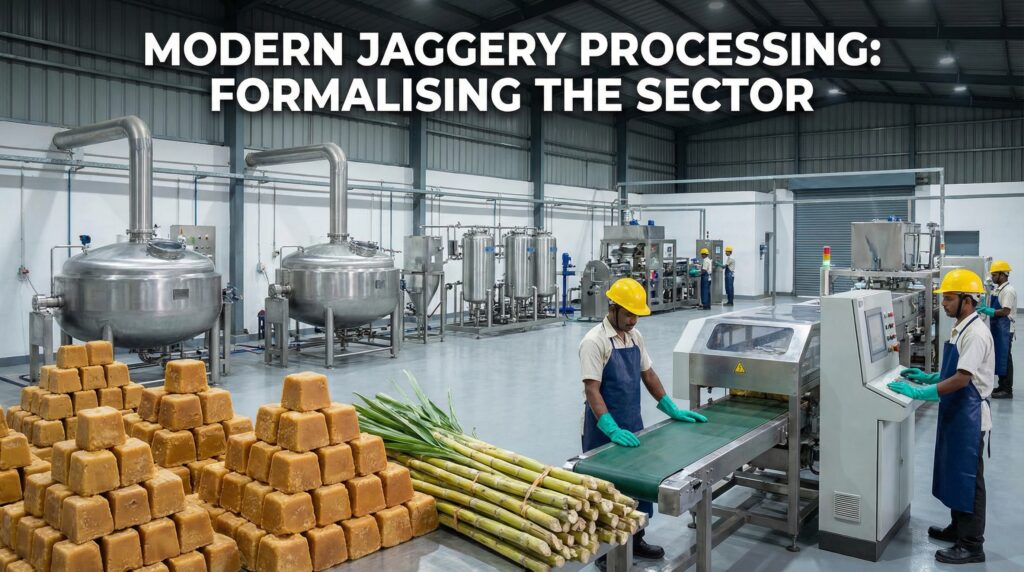
The Ministry of Food Processing Industries (MoFPI) has intensified its push to modernise India’s jaggery sector by rolling out targeted financial incentives and infrastructure support for processing units across the country. Under flagship schemes such as Pradhan Mantri Kisan SAMPADA Yojana (PMKSY), the Production Linked Incentive Scheme for Food Processing Industry (PLISFPI) and the Pradhan Mantri Formalisation of Micro Food Processing Enterprises (PMFME), the ministry is backing the establishment and expansion of modern jaggery processing units with a focus on technology upgradation and quality enhancement. These interventions are aimed at driving adoption of improved processing technologies, improving product consistency, and ensuring alignment with Food Safety and Standards Authority of India (FSSAI) norms to unlock better domestic and export opportunities. As of December 31, 2025, MoFPI has sanctioned support for five modern jaggery processing units under the Creation/Expansion of Food Processing & Preservation Capacities (CEFPPC) component of PMKSY, with total grants of Rs 17.07 crore. In addition, 3,528 micro food processing enterprises focusing on jaggery have been approved for subsidies worth Rs 102.31 crore under the PMFME scheme, signalling a strong policy thrust towards formalising and scaling this traditionally unorganised segment. To deepen value addition and strengthen local value chains, the government is also promoting jaggery and related products under the One District One Product (ODOP) framework in 19 districts. This approach is designed to help enterprises benefit from economies of scale, common services, and improved branding and marketing platforms. Under PMFME, collectives such as Farmer Producer Organisations (FPOs), Self-Help Groups (SHGs) and cooperatives are eligible for grants of up to 50 per cent for branding and marketing activities, enabling them to compete more effectively in both domestic and export markets. Officials note that these focused interventions on infrastructure, technology and market development are expected to lift quality standards, reduce post-harvest losses and catalyse growth in the jaggery value chain as well as the broader food processing industry. The push is also projected to generate rural employment and improve farmer incomes by creating stronger, more resilient linkages between sugarcane growers, processors and markets. Source: FNB News
Centre Bets on Modern Food Tech to Make India’s Food Sector Globally Competitive
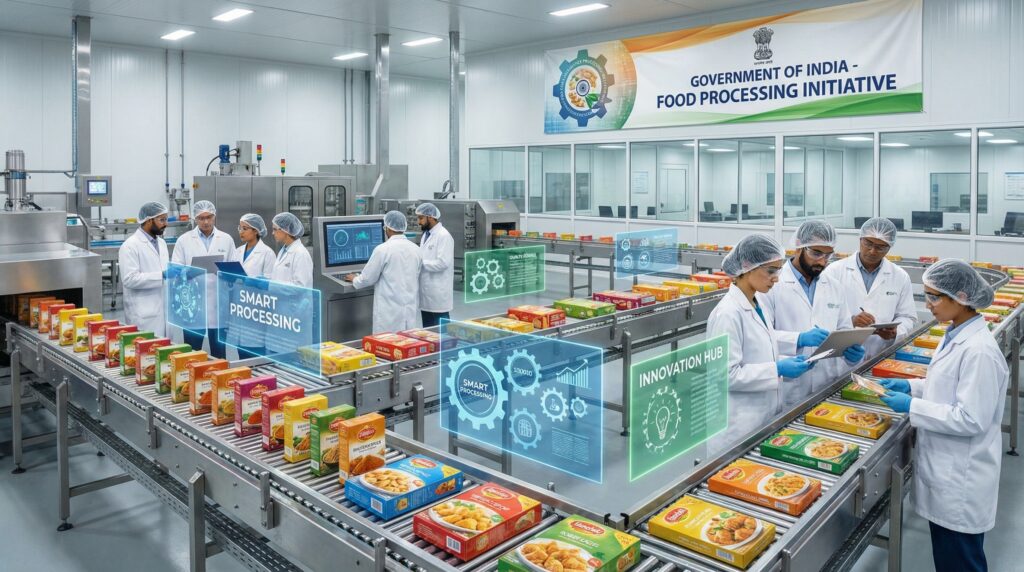
The Union Ministry of Food Processing Industries (MoFPI) has stepped up its push for modern processing technologies to make India’s food sector more productive, higher in quality, and globally competitive. The latest initiatives focus on R&D support, capacity building, and branding assistance for stakeholders across the value chain—from research institutions to micro enterprises and farmer collectives. Modern tech and R&D pushUnder the Pradhan Mantri Kisan SAMPADA Yojana (PMKSY), MoFPI is extending grant-in-aid to universities, CSIR-recognised institutes, and private R&D units for demand-driven research in food processing technology. As of December 31, 2025, 257 research projects have been approved with subsidies totalling Rs 102.47 crore, underscoring a strong tilt toward science-led innovation. Institutions like NIFTEM Kundli and NIFTEM Thanjavur are among the key centres driving sector-focused research and technology development for the industry. Building skills at the grassrootsAlongside R&D, the ministry is scaling up capacity-building initiatives under the PM Formalisation of Micro Food Processing Enterprises (PMFME) scheme. Grants are being made available for training Master Trainers, district resource persons, and entrepreneurs, as well as collectives such as Self-Help Groups (SHGs), Farmer Producer Organisations (FPOs), and cooperatives. These training programmes cover critical areas including FSSAI regulations, food quality, and hygiene practices to strengthen on-ground adherence to safety and quality standards. Branding, marketing and global reachMoFPI is also focusing on helping Indian food products stand out in the market through structured branding and marketing support. Eligible groups can receive up to 50 per cent grant assistance to develop common packaging, quality control frameworks, and cohesive branding strategies. Additionally, under the Production Linked Incentive Scheme for Food Processing Industry (PLISFPI), international outreach support is being offered to encourage overseas branding and marketing for emerging Indian food brands. Impact on farmers and micro enterprisesOfficials expect these interventions to collectively increase processing capacity, promote value addition, and drive innovation across the sector. The measures are designed to improve returns for farmers, micro-enterprises, and other small players by integrating them into a more efficient and technology-enabled processing ecosystem. In the long run, the ministry believes this multi-pronged approach will reinforce the growth trajectory of India’s food processing industry and strengthen its position in both domestic and global markets. Source: FNB News
India Approves 551 Micro Food Processing Units Under PMFME Scheme to Boost Local Production
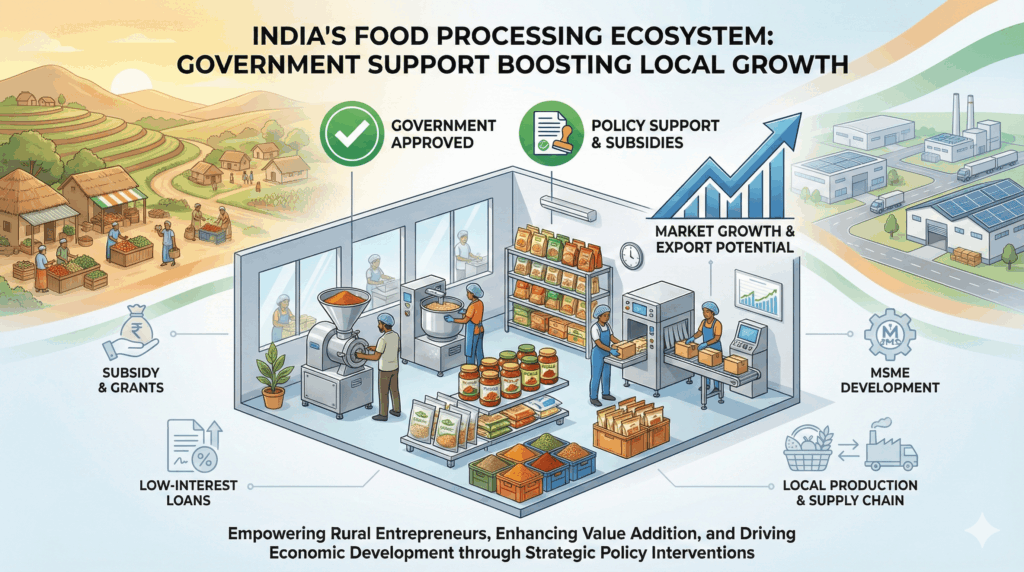
In a move to strengthen the grassroots food processing ecosystem, the Ministry of Food Processing Industries (MoFPI) has approved 551 micro food processing enterprises under the Pradhan Mantri Formalisation of Micro Food Processing Enterprises (PMFME) Scheme, backed with a credit-linked subsidy of Rs 45.49 crore. The approvals, part of the government’s broader effort to expand small-scale industrial activity and support rural entrepreneurship, were granted across various locations, including the Ambedkar Nagar district of Uttar Pradesh, where local entrepreneurs will receive financial incentives to set up and scale their processing units. The PMFME Scheme aims to encourage small enterprises involved in processing, preserving and packaging local food products, strengthening farm-to-fork value chains. MoFPI also provides assistance through other flagship programmes, such as the Pradhan Mantri Kisan SAMPADA Yojana (PMKSY) and the Production Linked Incentive Scheme for Food Processing Industry (PLISFPI), to develop the nation’s food processing infrastructure and formalise the sector. These interventions support the establishment of processing units in rural clusters and designated food parks while making credit more affordable for entrepreneurs. In addition to direct subsidies, the government continues to facilitate financing via the Food Processing Fund (FPF), a ₹2,000-crore corpus set up with NABARD in 2014–15 to offer affordable loans for food processing projects and allied infrastructure. Officials say that by nurturing micro and small food processing units, the initiative is expected to stimulate local economies, boost employment, improve food quality and safety, and promote entrepreneurship in rural and semi-urban areas, contributing to India’s broader goals of expanding processed food output and enhancing supply chains nationwide. Source: F&B News
MAHA Pushes Food Industry Toward Fewer Artificial Dyes, Shaping Ingredient Reform in 2025
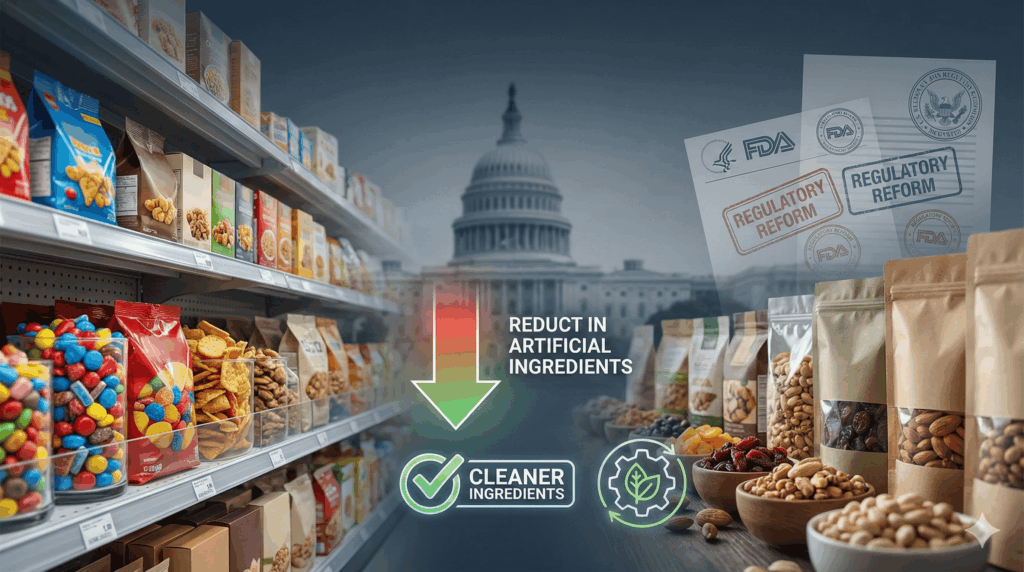
Washington — A broad movement led by U.S. Health and Human Services Secretary Robert F. Kennedy Jr. under the Make America Healthy Again (MAHA) initiative is accelerating changes across the food industry, with artificial food dyes and ultraprocessed ingredients coming under heightened scrutiny this year. (Food Dive) The trend reflects growing regulatory pressures at both federal and state levels, prompting many food manufacturers to reformulate products to reduce or eliminate synthetic colorants and other controversial additives. (Food Dive) Health officials have encouraged the voluntary phase-out of petroleum-based artificial dyes by the end of 2026, a key milestone in MAHA’s broader effort to shift the U.S. food supply toward perceived healthier ingredients. (U.S. Food and Drug Administration) Several states—including Texas, California and West Virginia—have gone further, enacting bans or warning-label requirements for certain additives. (Food Dive) Industry responses have varied. Some companies have proactively introduced MAHA-friendly formulations, removing artificial colors or adjusting recipes to align with new regulatory and consumer expectations. (Food Dive) However, others are pushing back, arguing that inconsistent state regulations create complexity and that federal standards should prevail. Lobbying groups representing major food and beverage firms are actively pursuing legal and legislative avenues to counter patchwork state laws. (Food Dive) The industry’s evolving landscape highlights how ingredient transparency and food additive debates have become central to food policy and corporate strategy, with implications for product development, labeling and consumer trust in 2026 and beyond. (Food Dive) Source: Food Dive